

Technology, products, and digital services are changing quickly. Every year, new features and innovations are introduced to make everyday tasks easier, faster, safer, and more convenient. From smarter devices and useful software tools to advanced home technology and modern business solutions, new features can significantly change the way people work and live.
However, having more features does not always mean having a better product. The most useful innovations are those that solve real problems and provide genuine value. Understanding what a feature does, how it works, and whether it is actually useful can help consumers and businesses make smarter choices.
What Are Feature Spotlights?
A feature spotlight is a focused look at an important feature, function, or innovation within a product or service. Instead of discussing an entire product at once, a feature spotlight explains what makes a particular function useful and how it can benefit the user.
For example, a smartphone review might highlight its camera system, battery-saving technology, security features, or artificial intelligence capabilities. A software review might focus on automation, collaboration, reporting, or integration tools.
Feature spotlights make it easier to understand the practical value behind new technology without getting overwhelmed by technical specifications.
Why Features Matter

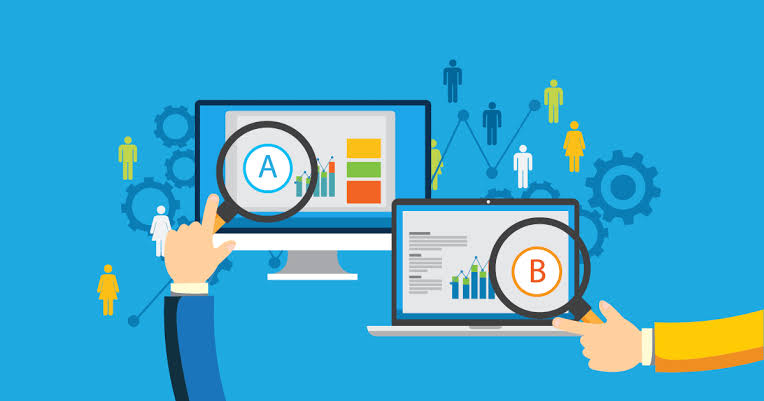
Features are an important part of any product because they determine what the product can do and how effectively it can solve a user’s needs.
A useful feature can save time, reduce repetitive work, improve convenience, or provide a better overall experience. For businesses, the right features can also improve productivity and customer service.
When comparing products, it is important to look beyond a long list of specifications. A product may have dozens of features, but only a few may be relevant to your everyday needs.
The best approach is to identify the features that solve your biggest problems and then compare products based on those functions.
Smart Technology and Everyday Innovation
Smart technology has become a major part of everyday life. Smartphones, smart televisions, wearable devices, home assistants, security systems, and connected appliances all provide features designed to make daily routines more convenient.
Automation is one of the biggest advantages of smart technology. Devices can perform certain tasks automatically based on schedules, preferences, sensors, or user commands.
For example, smart home systems can help users manage lighting, temperature, security, and entertainment from a central application or compatible device.
The best smart features are not necessarily the most complicated. Simple automation that saves time every day can often be more valuable than an advanced feature that is rarely used.
Artificial Intelligence and New Features
Artificial intelligence is influencing product development across many industries. AI-powered features are increasingly appearing in software, search tools, smartphones, customer service platforms, creative applications, and business systems.
AI can help analyse information, identify patterns, automate repetitive tasks, generate content, improve recommendations, and support decision-making.
For users, the value of an AI feature depends on how accurately and responsibly it performs its intended task. Convenience should not come at the expense of privacy, security, or reliability.
When evaluating AI-powered products, consider what information the system uses, how the feature works, what limitations it has, and whether human review is still necessary.
Productivity Features Worth Watching

Modern productivity tools often include features designed to reduce manual work and help users stay organised.
Task management, calendar integration, document collaboration, automated reminders, reporting dashboards, templates, and workflow automation can all improve productivity.
For businesses, integration is particularly important. A tool that works with existing software can reduce the need to switch between multiple platforms.
Before choosing a productivity solution, think about your actual workflow. A simple tool that fits naturally into your routine may be more useful than a complicated system with dozens of features you never use.
Security and Privacy Features
Security is no longer an optional extra. As more personal and professional information moves online, strong security features have become essential.
Useful security features can include multi-factor authentication, encryption, secure login systems, privacy controls, automatic updates, account alerts, and permission management.
When purchasing a device or subscribing to a digital service, investigate how the company handles your information. Read privacy policies when appropriate and understand what data the product collects.
A convenient feature is only truly useful when it can be used safely.
Features That Improve User Experience
A product can have excellent technical specifications but still be frustrating if it is difficult to use.
User-friendly design is therefore an important innovation. Clear menus, intuitive controls, useful search functions, accessible settings, and straightforward instructions can make a significant difference.
Accessibility features are also valuable. Adjustable text sizes, screen readers, voice controls, captions, colour settings, and other accessibility options can make technology easier for a wider range of users.
Good design focuses on people rather than simply adding more technology.
Energy-Efficient Innovations

Energy efficiency is becoming an increasingly important feature across many products.
Modern appliances, electronics, vehicles, heating systems, and lighting products may include technologies designed to reduce energy consumption.
Energy-efficient features can potentially lower operating costs while also reducing resource use. When comparing products, consider both the purchase price and the expected long-term running costs.
A slightly more expensive product may provide better value if it uses significantly less energy over its lifetime.
Features in Modern Vehicles
The automotive industry continues to introduce new technologies designed to improve safety, comfort, efficiency, and convenience.
Modern vehicles may include advanced driver assistance systems, parking sensors, connected navigation, smartphone integration, driver monitoring, improved infotainment, and energy-management features.
Safety-related features deserve particular attention. Drivers should understand the limitations of assistance technologies and remember that many systems are designed to support the driver rather than replace responsible driving.
When evaluating vehicle technology, practical usefulness and safety should be more important than simply having the newest feature.
Innovations in Health and Fitness Technology
Wearable technology has made it easier for people to track certain aspects of their daily activity.
Smartwatches and fitness devices may monitor steps, workouts, heart rate, sleep patterns, and other measurements. These features can encourage people to pay more attention to activity and lifestyle habits.
However, consumer devices are not always medical-grade equipment. Measurements can vary depending on the device and circumstances. Health-related readings should be interpreted carefully, and concerning symptoms should not be ignored simply because a wearable reports a normal result.
The best fitness technology should support healthy habits without creating unnecessary pressure.
How to Evaluate New Features
Before buying a product because of a new feature, ask a few basic questions.
Does it solve a real problem?
A feature should provide practical value rather than simply look impressive in advertising.
Is it easy to use?
Complicated features may not be useful if they require excessive effort.
Is it reliable?
A feature that frequently fails can create more problems than it solves.
Does it work with your existing setup?
Compatibility can be especially important for software, smart-home products, accessories, and business tools.
Does it protect your privacy?
Understand what information is collected and how it is handled.
Will you actually use it?
Think about your everyday needs rather than buying based on a feature list alone.
Features vs. Specifications
Specifications describe the technical characteristics of a product, while features explain what those characteristics allow the product to do.
For example, a device may have a particular processor, storage capacity, display technology, or battery size. These specifications can influence the features and performance users experience.
Understanding both is useful when comparing products. However, specifications should always be considered in context.
A higher number does not automatically mean a better experience. Real-world performance, software quality, reliability, comfort, and ease of use can be equally important.
The Importance of Product Reviews

Reviews can help you understand how features perform outside the manufacturer’s description.
Look for reviews that explain real-world use rather than simply repeating specifications. Pay attention to common comments about battery life, performance, reliability, usability, customer support, and long-term durability.
It is also helpful to read both positive and negative feedback. A feature that works perfectly for one user may not be useful for another.
The goal is not to find a product with no disadvantages. Every product has limitations. The goal is to find one whose strengths match your needs.
Future Innovations to Watch
Innovation is likely to continue across areas such as artificial intelligence, robotics, smart homes, renewable energy, connected devices, and digital services.
Future products may become more personalised, automated, energy efficient, and interconnected.
However, technological progress should also be accompanied by responsible development. Privacy, cybersecurity, accessibility, environmental impact, and ethical considerations will remain important as new technologies become more widespread.
The most valuable innovations will likely be those that combine advanced capabilities with simple, practical experiences.
How to Choose Features That Matter
When shopping for a new product or service, create a short list of essential features before comparing options.
Separate your requirements into three groups:
Must-have features: Functions you genuinely need.
Useful features: Functions that would improve your experience but are not essential.
Optional features: Extras that may be interesting but are unlikely to affect your decision.
This approach can help prevent feature overload and make comparisons easier.
Conclusion
Feature spotlights provide a useful way to understand the technology behind modern products and services. Instead of focusing only on brand names, prices, or long specification lists, they encourage consumers to look at what individual features actually do and whether those functions provide real value.
From artificial intelligence and smart technology to security, productivity, energy efficiency, and accessibility, innovation is influencing almost every part of modern life.
The best features are not necessarily the newest or most complicated. They are the ones that make something easier, safer, more efficient, or more enjoyable to use.
Before buying a product, take time to understand its key features, compare alternatives, read reliable reviews, and consider your own needs. A thoughtful approach can help you choose technology that offers genuine value rather than simply following the latest trend.
Innovation is exciting, but useful innovation is even better. By focusing on features that solve real problems, consumers and businesses can make smarter decisions and get more from the technology they use every day.
FAQ’s
1. What is a feature spotlight?
It highlights an important feature, function, or innovation of a product or service.
2. Why are product features important?
They show how a product can solve problems and improve the user experience.
3. How do I choose the best features?
Focus on features that match your needs, budget, and everyday usage.
4. Are more features always better?
No. Useful, reliable, and easy-to-use features are often more valuable.
5. Why should I read feature reviews?
Reviews can help you understand how features perform in real-world situations.