

Technology and product design are changing quickly, and new features are becoming an important part of how people choose and use products and services. From smarter apps and connected devices to improved digital platforms and everyday tools, innovative features can make tasks easier, faster, and more convenient.
However, a feature is only valuable when it solves a real problem. A long list of functions does not automatically make a product better. The most useful innovations are the ones that improve the experience without making things unnecessarily complicated.
This guide explores what makes a feature worth noticing, how smart innovations are changing everyday experiences, and what to consider when evaluating new features.
What Are Feature Spotlights?
A feature spotlight focuses attention on a specific function, improvement, or innovation that makes a product or service stand out.
Instead of discussing an entire product, a feature spotlight examines what it does, why it matters, and how it can benefit users.
For example, a smartphone may have dozens of specifications, but a feature spotlight might focus on its improved camera tools, battery-saving functions, privacy controls, or accessibility options.
Feature spotlights can help readers understand the practical value behind technical details.
Why New Features Matter
New features can improve convenience, efficiency, safety, personalization, and overall user experience.
A well-designed feature may reduce the number of steps required to complete a task. It might automate repetitive actions, provide better information, or make a product easier for different types of users.
Businesses also use new features to respond to changing customer expectations. As people become accustomed to faster and more convenient digital experiences, companies continually look for ways to improve their products.
For consumers, understanding these developments can make it easier to decide whether an upgrade is actually worthwhile.
Smart Features That Improve Everyday Convenience

Convenience is one of the biggest reasons people appreciate new features.
Modern products often include tools designed to save time or reduce effort. Smart reminders, automatic settings, voice controls, synchronization, quick actions, and personalized recommendations are examples of features that can simplify everyday tasks.
The best convenience features often work quietly in the background. Instead of requiring users to learn a complicated process, they make an existing activity easier.
When evaluating a new feature, ask whether it genuinely saves time or simply adds another option to an already complicated interface.
Personalization Is Becoming More Important
People have different needs, preferences, and routines. Personalization allows products and services to adapt to individual users.
Personalized dashboards, recommendations, notifications, themes, accessibility settings, and content suggestions can create a more relevant experience.
For example, an app might allow users to choose which information appears first. A smart device may remember preferred settings. A digital service may recommend content based on previous activity.
Good personalization should provide useful choices without making users feel that they have lost control over their experience.
Artificial Intelligence and Smart Features

Artificial intelligence is influencing many modern features across apps, software, devices, and online services.
AI-powered features can help summarize information, organize content, generate suggestions, recognize patterns, automate routine tasks, and provide personalized assistance.
These capabilities can be useful when they reduce repetitive work or help users understand complex information.
However, AI features should not be judged only by how advanced they sound. Accuracy, privacy, transparency, and ease of use are equally important.
A smart feature is valuable when it produces reliable results and makes the user’s experience better.
Better Search and Discovery
Finding information quickly is an important part of many digital experiences.
Improved search tools can help users find products, documents, settings, articles, files, or other information without navigating through multiple menus.
Features such as filters, sorting options, voice search, natural-language queries, and personalized results can make discovery more efficient.
Good search functionality is especially valuable when a platform contains a large amount of information.
Improved Security and Privacy Features
Security has become a major consideration as more activities move online.
New privacy and security features may include stronger authentication, permission controls, account alerts, encryption, privacy dashboards, and improved methods for identifying suspicious activity.
These features can help users understand what information they are sharing and who can access it.
When exploring a new product or service, security should not be treated as an optional extra. A feature that improves convenience but creates unnecessary privacy risks may not be a worthwhile improvement.
Accessibility Innovations
One of the most meaningful areas of product innovation is accessibility.
Features such as screen readers, captions, voice control, text resizing, high-contrast settings, simplified navigation, and alternative input methods can make technology easier to use for people with different abilities.
Accessibility features can benefit everyone, not only users who specifically need them. For example, captions can be useful in noisy environments, while voice controls can help when someone’s hands are busy.
Inclusive design creates better experiences for a wider range of users.
Battery and Energy Improvements
For electronic devices, battery life remains an important part of everyday usability.
New power-management features can help devices operate more efficiently. Adaptive charging, energy-saving modes, background activity controls, and smarter power management can extend useful battery time.
Energy efficiency can also matter beyond convenience. Products that consume less energy may help reduce operating costs and support more sustainable usage.
When evaluating battery-related innovations, look beyond marketing claims and consider how the feature performs during real-world use.
Better Connectivity

Connected devices increasingly work together as part of larger digital ecosystems.
Features that improve synchronization and compatibility can make it easier to move information between devices or control multiple products from a central location.
For example, users may want their phone, computer, tablet, smart home devices, and other connected products to work together smoothly.
The most useful connectivity features should reduce friction rather than create additional setup requirements.
User-Friendly Design
Innovation does not always mean adding more features.
Sometimes the best improvement is a simpler interface.
Clear menus, easy-to-understand controls, responsive navigation, and logical layouts can make a product feel significantly better even when the underlying technology has not changed dramatically.
Good design allows users to understand what to do without needing extensive instructions.
When exploring a new feature, consider how quickly a first-time user can understand it.
Performance Improvements
Features that improve speed and responsiveness can have a noticeable impact on user experience.
Faster loading times, smoother navigation, improved processing, better search performance, and more efficient software can help users complete tasks with fewer interruptions.
Performance improvements may not always be visually exciting, but they can make a product feel much more reliable.
A feature that saves a few seconds may seem insignificant once, but repeated hundreds of times, those small improvements can add up.
Smart Automation
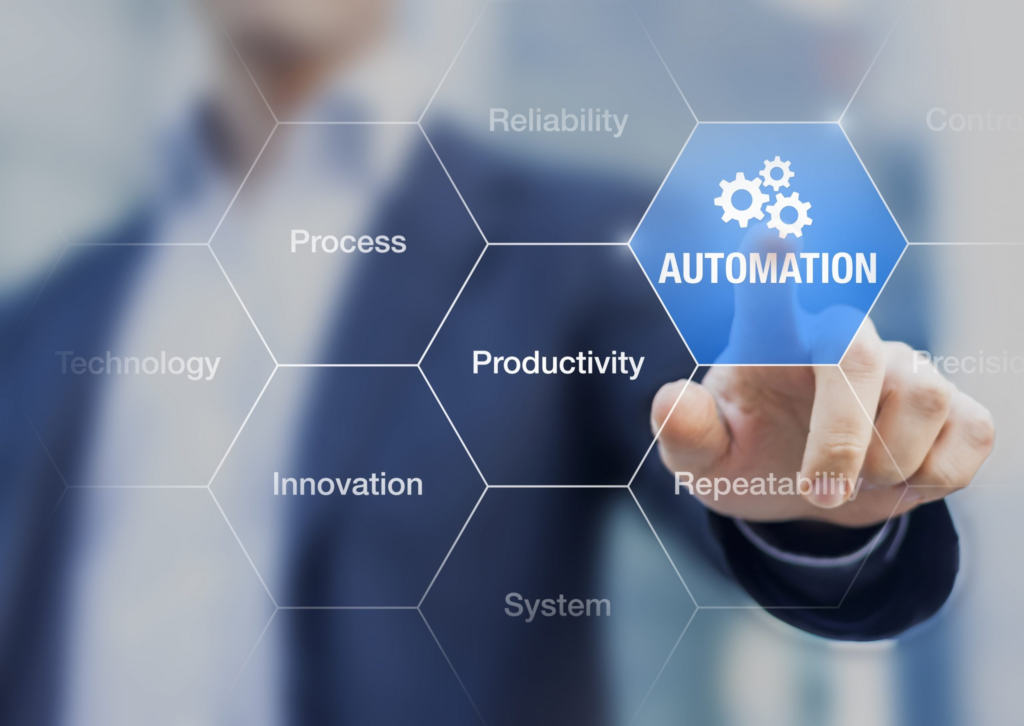
Automation is another major area of innovation.
Automated features can handle repetitive tasks, schedule actions, organize information, or respond to specific conditions.For example, an application may automatically sort information, create reminders, organize files, or complete routine steps.
For example, an application may automatically sort information, create reminders, organize files, or complete routine steps.
Automation works best when users remain in control. People should be able to understand what is being automated and change or disable the feature when necessary.
What Makes a Feature Truly Useful?
Not every new feature deserves attention.
A useful feature generally meets at least one important need. It may save time, reduce effort, improve safety, increase accessibility, provide better control, or make a product easier to use.
Before getting excited about a new feature, consider a few questions:
- Does it solve a real problem?
- Is it easy to understand?
- Does it save time?
- Does it improve the overall experience?
- Does it protect user privacy?
- Is it reliable?
- Can users control or disable it?
- Does it provide enough value to justify an upgrade?
These questions can help separate meaningful innovation from features that simply sound impressive.
How to Evaluate New Product Features
When a new feature is announced, it is easy to focus on the headline. A better approach is to examine how the feature works in everyday situations.
Start by understanding the purpose. What problem was the feature designed to solve?
Next, consider usability. A powerful feature is less valuable if it is difficult to access or requires complicated setup.
Then look at reliability. Does it work consistently under normal conditions?
Finally, consider long-term value. Will you continue using the feature after the initial excitement disappears?
These questions can help you make more informed decisions.
Innovation Should Improve the Experience

The most successful innovations often feel natural.
Users should not have to completely change their habits to benefit from a well-designed feature. Instead, the technology should fit into their existing routines.
For example, a better search system should help people find information faster. A smart reminder should appear at the right time. An accessibility option should be easy to activate. A privacy setting should be understandable.
Innovation is most valuable when technology works for people rather than making people work harder to understand technology.
The Future of Feature Innovation
The future of product features will likely focus on greater personalization, automation, intelligent assistance, improved accessibility, stronger privacy controls, and better integration between devices and services.
As technology develops, users will have more choices than ever. That makes thoughtful evaluation increasingly important.
The best products will not necessarily be those with the largest number of features. They will be products that combine useful innovation with simplicity, reliability, security, and good design.
FAQ’s
1. What is a feature spotlight?
A feature spotlight explains a specific product feature, improvement, or innovation and its practical benefits.
2. Why are new features important?
New features can improve convenience, performance, security, personalization, and user experience.
3. What makes a feature useful?
A useful feature solves a real problem, saves time, and is easy and reliable to use.
4. Are AI-powered features worth using?
They can be valuable when they provide accurate results, save effort, and offer meaningful benefits.
5. How should I evaluate a new feature?
Consider its usefulness, ease of use, reliability, privacy, security, and long-term value.