
Technology and product development are changing quickly, and new features are becoming an important part of how people choose products. From smart devices and home technology to productivity tools, appliances, and everyday gadgets, innovative features can improve convenience, performance, and overall user experience.
However, having more features does not always mean having a better product. The most valuable features are the ones that solve real problems, save time, improve usability, or make a product more enjoyable to use.
Feature spotlights make it easier to understand what makes a product different and which capabilities are actually worth considering.
What Is a Feature Spotlight?
A feature spotlight focuses on a specific function, capability, or innovation that makes a product stand out.
Instead of describing every specification, a feature spotlight explains the features that matter most to users. It can show how a feature works, why it is useful, and what type of person may benefit from it.
For example, a smartphone might have an advanced camera system, a laptop may offer an efficient cooling design, or a smart home device may provide convenient automation options.
The goal is to turn technical information into practical value.
Why Product Features Matter
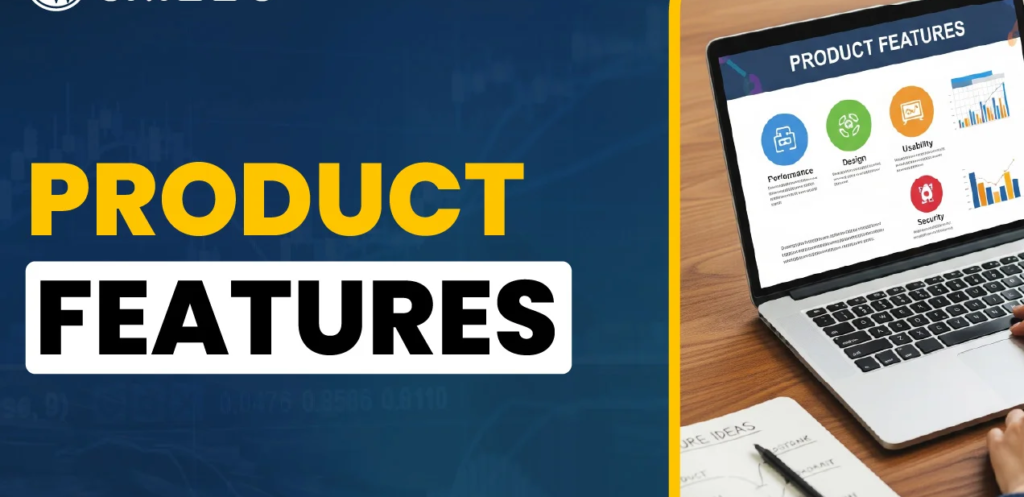
Features can have a direct impact on how useful a product is in everyday life.
A device with a long-lasting battery may be more convenient for someone who travels frequently. A laptop with multiple connectivity options may be better suited to a professional who uses several accessories. A smart appliance with automation features may save time during everyday household tasks.
The important question is not simply, “What does this product have?”
A better question is, “How does this feature improve my experience?”
This way of looking at features can help shoppers make more informed decisions.
Smart Technology Features
Smart technology has introduced a wide range of features designed to make devices more connected and convenient.
Smartphones, televisions, watches, speakers, appliances, and other devices can communicate with applications and connected platforms.
Common smart features include voice control, mobile notifications, remote access, automation, personalized settings, and device-to-device connectivity.
These capabilities can be useful when they simplify everyday tasks.
For example, remote control can allow users to manage compatible devices from their phone, while automation can perform routine actions according to schedules or preferences.
AI-Powered Features
Artificial intelligence is becoming an increasingly important feature across modern technology.
AI can support writing, image processing, search, recommendations, voice recognition, translation, organization, and other tasks.
In productivity software, AI may help summarize information, generate ideas, organize content, or automate repetitive work.
In cameras and smartphones, AI can improve image processing and help recognize scenes or objects.
The value of an AI feature depends on how effectively it solves a real problem. Buyers should look beyond the term “AI” and understand what the feature actually does.
Productivity Features Worth Noticing

Productivity-focused features can help users save time and stay organized.
Examples include multitasking capabilities, automatic scheduling, cloud synchronization, collaboration tools, customizable shortcuts, and task automation.
For professionals and students, features that reduce repetitive work can have significant value.
A product that allows users to complete several tasks more efficiently may be more useful than one that simply includes a larger number of features.
Home Technology Innovations
Modern home products are becoming more connected and automated.
Smart lighting, security cameras, thermostats, kitchen appliances, entertainment systems, and cleaning devices can offer features designed to make household routines easier.
Some devices can be scheduled, controlled remotely, or integrated with other compatible products.
When evaluating home technology, compatibility is particularly important. A device may have excellent features, but those features may be less useful if the product does not work with your existing ecosystem.
Design and User Experience Features
Features are not limited to technical specifications.
Design can also be a major part of the user experience.
A lightweight device can be easier to carry. A well-designed interface can make software easier to navigate. An ergonomic keyboard can make long work sessions more comfortable.
Small design decisions can have a significant effect on how people use a product every day.
When comparing products, consider how the design supports your specific routine rather than focusing only on appearance.
Battery and Charging Innovations

Battery life is an important consideration for portable technology.
Longer battery life can reduce the need for frequent charging, while fast-charging technology can help users quickly restore power when needed.
Wireless charging can also reduce cable clutter and make charging more convenient for compatible devices.
When evaluating battery features, look beyond advertised numbers. Actual battery performance can depend on usage, settings, network conditions, and other factors.
Connectivity Features
Modern products often depend on connectivity.
Bluetooth, Wi-Fi, USB, wireless networking, and other connection options can affect how easily a product works with other devices.
For example, a laptop with several ports may be useful for someone who regularly connects external displays, storage devices, or accessories.
Before purchasing a product, check which connections you actually need.
More connection options are not necessarily better if they are features you will never use.
Security and Privacy Features
As more devices become connected, security and privacy features have become increasingly important.
Modern technology may offer features such as biometric authentication, encrypted connections, privacy controls, account protection, and software updates.
These features can help protect personal information and connected devices.
When choosing a product, consider whether the manufacturer provides regular security updates and whether you can easily manage privacy settings.
Convenience should not come at the cost of basic security.
Sustainability and Energy-Efficient Features

Sustainability is another area receiving greater attention.
Energy-efficient appliances and devices can help reduce electricity consumption, while durable construction can potentially extend product lifespan.
Some products also include power-saving modes that reduce energy use when the device is not actively being used.
Consumers can consider repairability, durability, energy efficiency, and long-term support when comparing products.
A product that lasts longer may provide better value than one that needs to be replaced frequently.
Features That Improve Accessibility
Accessibility features can make technology easier for more people to use.
Depending on the product, these may include screen readers, voice control, captions, adjustable text sizes, hearing assistance, customizable controls, and alternative input methods.
Accessibility should be considered an important part of product design rather than an optional extra.
A feature that makes a device easier to use can significantly improve the experience for people with different needs and preferences.
How to Identify the Best Features
When comparing products, start with your own requirements.
Make a short list of the features you genuinely need. Then separate those from features that would simply be nice to have.
For example, someone buying a laptop might prioritize battery life, portability, performance, and connectivity. A person purchasing a smart home device may care more about compatibility, automation, privacy, and ease of use.
This approach prevents unnecessary features from influencing your decision.
Avoid Paying More for Features You Do Not Need
Premium products often include advanced features, but not every user will benefit from them.
Before paying extra, ask whether the feature will actually improve your daily experience.
If a feature is rarely used, it may not justify a higher price.
Instead of choosing a product based on the longest feature list, focus on the features that provide meaningful value.
Read Reviews With Features in Mind
Reviews can provide useful information about how features perform in real-world situations.
Rather than reading only the overall rating, look for comments about specific features that matter to you.
For example, if battery life is important, focus on real-world battery experiences. If you care about software, look for information about ease of use and updates.
This can help you understand the difference between a feature that sounds impressive and one that works well in practice.
Compare Features Before Buying

A simple comparison can make purchasing decisions eas
Create a list of the products you are considering and compare their most important features.
Consider:
- Core features
- Performance
- Ease of use
- Compatibility
- Security
- Durability
- Warranty
- Price
- Long-term value
This method helps you focus on what actually matters instead of becoming distracted by marketing language.
The Future of Product Features
The future of product innovation will likely involve greater integration between AI, automation, connectivity, and personalization.
Products may become better at understanding user preferences and adjusting their behavior accordingly.
AI-powered assistants could become more deeply integrated into everyday devices, while smart home systems may coordinate multiple products automatically.
At the same time, privacy, security, sustainability, and accessibility are likely to remain important areas of innovation.
FAQ’s
1. What is a feature spotlight?
A feature spotlight explains an important product feature and how it benefits users.
2. Why are product features important?
Useful features can improve performance, convenience, efficiency, and user experience.
3. What are popular technology features?
AI, automation, smart connectivity, fast charging, security, and personalization are popular features.
4. How do I choose the best features?
Focus on features that solve your specific needs and provide practical long-term value.
5. Should I pay more for extra features?
Only if those features are useful to you and justify the additional cost.