
Smartphones have become an important part of everyday life. Whether you use your phone for work, entertainment, communication, shopping, learning, or staying organized, the right apps can make daily tasks much easier. With thousands of apps available, however, finding useful ones can sometimes feel overwhelming.
App discoveries are about finding applications that genuinely add value. Instead of downloading every trending app, it is better to explore tools that match your needs and make specific tasks faster, simpler, or more enjoyable.
Why Discovering New Apps Matters
A good app can save time, improve productivity, simplify communication, or introduce a completely new way to complete a task. Many people use only a small number of familiar apps and never explore alternatives that could be more useful.
Discovering new apps can help you find better ways to manage your schedule, organize files, edit photos, track habits, learn new skills, or enjoy entertainment.
The key is not simply finding the most popular apps. It is finding apps that solve real problems.
Find Apps Based on Your Needs

The easiest way to discover useful apps is to start with what you actually need.
If you want to become more organized, look for calendar, task management, note-taking, and planning apps. If you create content, explore photo editors, video tools, design applications, and writing assistants.
Students may benefit from learning platforms, digital note-taking tools, language apps, and study organizers. People who work remotely may prefer communication, file-sharing, document editing, and project management tools.
Starting with a specific need makes the discovery process much more efficient.
Explore Productivity Apps
Productivity apps can help you manage time and reduce unnecessary work. A simple task manager can help you remember important responsibilities, while a calendar app can keep appointments and deadlines organized.
Note-taking apps are also useful for saving ideas, meeting notes, lists, and personal reminders. Some modern tools provide search and organization features that make it easier to find information later.
Time-tracking applications can help you understand where your working hours are going. This can be especially useful when you are trying to reduce distractions or improve your daily routine.
The best productivity app is not necessarily the one with the most features. A simple tool that you actually use consistently can be much more effective.
Discover Creative Tools
Mobile apps have become powerful tools for creativity. You can now edit photographs, create videos, design graphics, record audio, and write content directly from a smartphone.
Photo editing apps can provide basic adjustments as well as advanced editing features. Video apps can help users trim clips, add transitions, create captions, and prepare content for social platforms.
Design applications are useful for creating presentations, social media graphics, posters, invitations, and other visual materials.
When choosing creative apps, look for tools that are easy to understand and provide the features you actually need.
Useful Apps for Communication
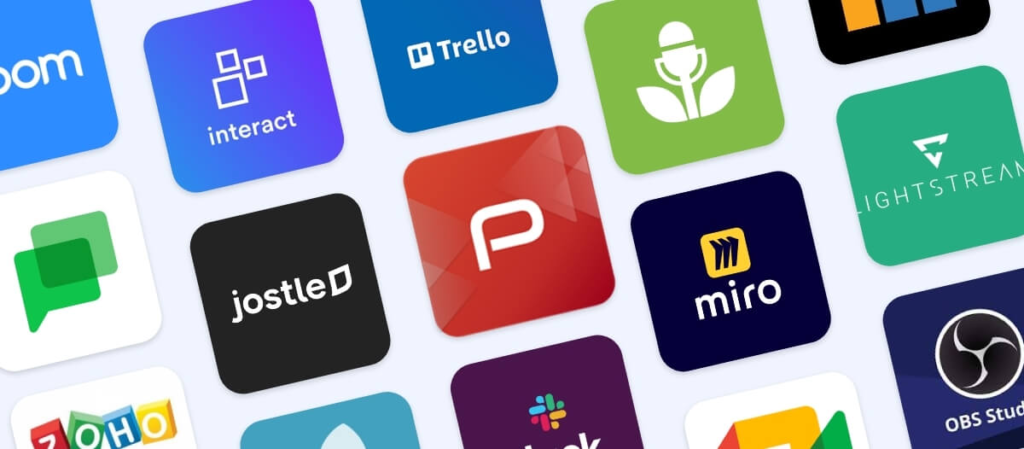
Communication apps continue to play a major role in everyday life. Messaging, email, video calling, and collaboration tools help people stay connected with friends, family, classmates, and coworkers.
Some communication tools are designed for individual conversations, while others focus on groups and professional collaboration.
When choosing a communication app, consider factors such as reliability, privacy, ease of use, notification controls, and compatibility with the devices used by the people you communicate with most.
Apps for Learning and Personal Growth
Apps can also turn a smartphone into a useful learning device.
Language-learning applications can help users practice vocabulary and pronunciation. Educational platforms can provide courses, tutorials, quizzes, and study materials across many subjects.
Reading apps can make books and articles easier to access, while specialized learning tools can help users develop skills in areas such as technology, design, business, writing, and personal development.
The best learning apps encourage regular practice rather than simply providing large amounts of information.
Discover Better Entertainment

Entertainment is another major category of mobile applications. Music, video, reading, gaming, podcasts, and creative entertainment can all be accessed through apps.
Rather than focusing only on the most popular options, users can explore applications that match their personal interests.
For example, someone who enjoys independent content may discover smaller platforms, while a casual gamer may find simple games that are easier to enjoy during short breaks.
It is worth checking app permissions and privacy settings even when downloading entertainment applications.
Look for Hidden App Features
App discovery is not limited to finding new applications. You can also discover features inside apps you already use.
Many applications include useful tools that are easy to overlook. These might include shortcuts, customization options, offline access, sharing tools, search functions, automation features, or advanced editing controls.
Before downloading another app, explore the settings and menus of the applications you already have. You may discover that an existing tool can already perform the task you need.
This can save storage space and reduce the number of apps competing for your attention.
Check Reviews Before Downloading
Reviews can be useful when deciding whether an unfamiliar app is worth trying.
Look beyond the overall rating and read recent reviews. Pay attention to comments about reliability, advertisements, performance, privacy, subscriptions, and customer support.
An app with thousands of positive reviews may still not be suitable for your specific needs. Similarly, a newer app with fewer reviews may be useful but require more research before you trust it.
Recent feedback is particularly important because apps can change significantly after updates.
Pay Attention to Privacy
Privacy should always be considered when installing a new application.
Check what permissions the app requests and ask whether they make sense for its purpose. A calculator, for example, generally should not require access to information that is unrelated to its basic function.
Review privacy settings whenever possible and avoid providing unnecessary personal information.
It is also a good idea to keep applications updated because developers frequently release updates that improve security, stability, and functionality.
Free Apps vs. Paid Apps
Free apps can be excellent, but free does not always mean completely without cost. Some applications rely on advertising, subscriptions, in-app purchases, or limited features.
Paid apps may offer a cleaner experience or additional functionality without some of these restrictions.
When comparing apps, consider the total value rather than looking only at the initial price. A low-cost tool that saves you significant time may be more valuable than a free app that is difficult to use.
Avoid Downloading Too Many Apps

It can be tempting to download every interesting application you discover. Over time, however, this can create clutter and make your phone harder to manage.
Too many applications can also result in excessive notifications, duplicate features, and unnecessary storage use.
A better approach is to test new apps selectively. If an application does not provide meaningful value after you have tried it, remove it.
Keeping your phone organized makes it easier to find and use the apps that actually matter.
Keep Your Apps Organized
Once you find useful apps, organize them in a way that makes sense for your routine.
You can group applications by purpose, such as work, finance, communication, travel, health, shopping, entertainment, and education.
Keeping frequently used apps easily accessible can save time. Less frequently used tools can be placed in folders or secondary screens.
Regularly reviewing your apps can also help you remove applications you no longer use.
How to Choose the Right App
Before installing an app, ask a few simple questions:
Does it solve a problem I actually have?
Is it easy enough to use regularly?
Does it provide useful features without unnecessary complexity?
Are the permissions reasonable?
Are reviews and updates positive?
Does the price make sense for the value it provides?
These questions can help you avoid downloading apps simply because they are trending
FAQ’s
1. What are app discoveries?
App discoveries help you find useful, new, and interesting apps for everyday needs.
2. How can I find the best apps?
Check app ratings, recent reviews, features, privacy information, and update history.
3. Are free apps worth downloading?
Yes, many free apps are useful, but check for ads, subscriptions, and in-app purchases.
4. How often should I explore new apps?
Explore new apps when you have a specific need or want to improve an existing task.
5. Should I remove apps I no longer use?
Yes. Removing unused apps can reduce clutter and free up storage space.