
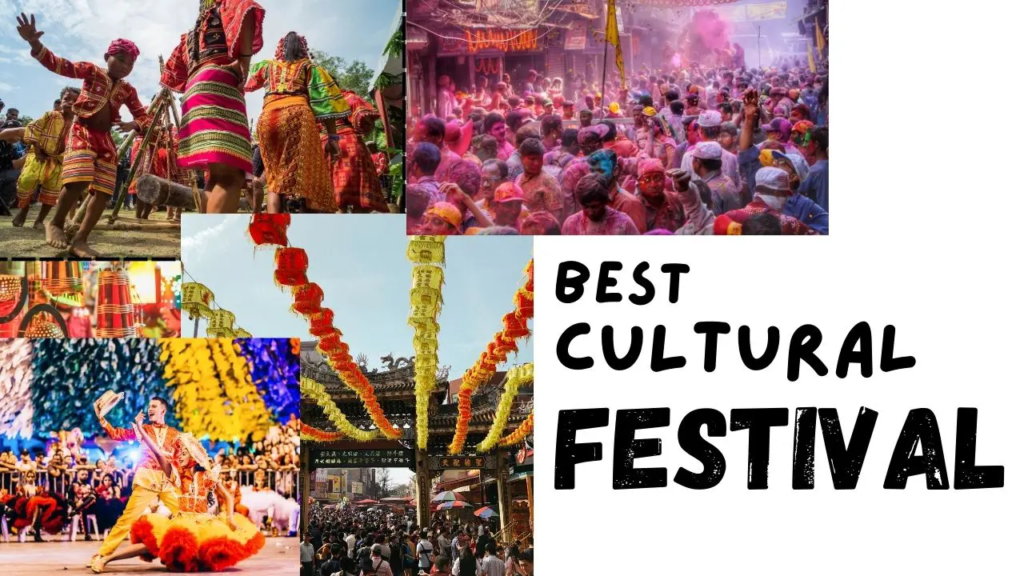
Every country has its own distinct way of celebrating life. The food people prepare, the clothes they wear, the festivals they observe, the stories they share, and the ways families gather all reveal fundamental truths about their culture.
Exploring world culture is not merely about memorizing facts about distant nations. It is about understanding how different communities live, what they value, and why specific traditions have endured for generations. From the vibrant color festivals of India to the quiet, disciplined tea ceremonies of Japan, cultural experiences bring depth and meaning to travel, education, and daily life.
The world is filled with customs that might initially seem unfamiliar, yet almost all of them are built around universal themes: family, respect, gratitude, community, and celebration.
What Shapes Cultural Identity?
Culture is shaped by an intricate interplay of geography, history, religion, language, trade, and art. Even neighboring countries often maintain vastly different daily practices. A dish that serves as simple street food in one country might hold sacred ceremonial significance across the border. A polite greeting in one region might be perceived as unusual or overly formal elsewhere.
Furthermore, culture is dynamic rather than static. Modern lifestyles, technology, global migration, and digital communication continuously reshape traditions. Yet, many communities successfully protect their ancestral heritage while adapting it for younger generations. This fluid dialogue between ancient roots and modern expressions is precisely what makes cultural study so engaging.
Regional Expressions of Global Culture
India: Diversity, Devotion, and Heritage
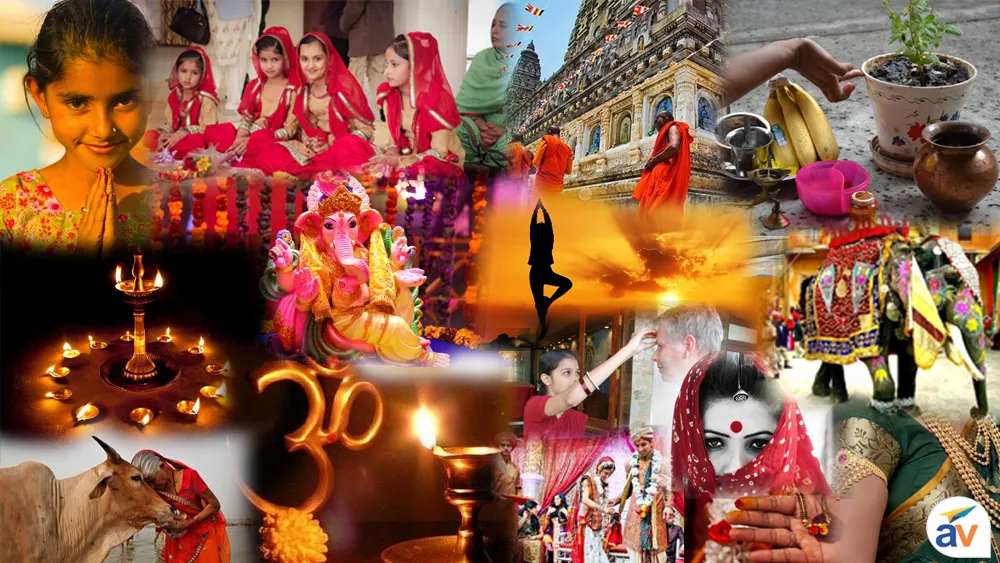
India contains an extraordinary variety of traditions within a single nation. Every state maintains its own languages, culinary specialties, traditional dress, artistic forms, and seasonal festivals.
Major celebrations like Diwali, Holi, Navratri, Eid, Durga Puja, Onam, Pongal, and Christmas reflect the nation’s diverse religious and regional landscape. Food plays a central role in these observances, with complex spice blends, regional cooking techniques, and family recipes passed down across generations. Festivals are fundamentally family events where preparing meals, decorating homes, wearing traditional attire, and exchanging sweets reinforce community bonds.
Japan: Harmony, Precision, and Seasonal Awareness
Japanese culture is deeply rooted in mutual respect, meticulous attention to detail, and a reverence for the natural environment. Traditional arts such as the tea ceremony, calligraphy, ikebana flower arrangement, and martial arts continue to influence daily behavior.
Seasonal transitions are marked with great care. The practice of viewing cherry blossoms in spring is far more than an outdoor outing; it represents a philosophical reflection on the fleeting nature of beauty and time. Local festivals, known as matsuri, bring neighborhoods together through traditional music, processions, and regional street foods.
Italy: Art, Culinary Pride, and Family Life
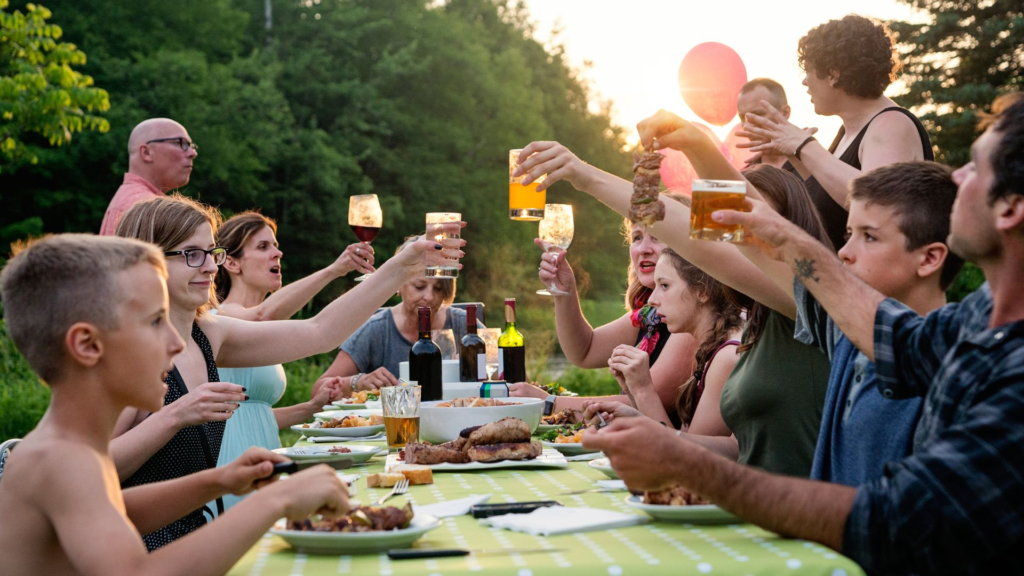
Italy’s cultural legacy has profoundly shaped world art, architecture, literature, fashion, and cuisine. Italian life revolves heavily around the family table, where regional recipes are guarded with immense pride.
The difference between northern and southern Italian cooking illustrates how local climate, terrain, and history dictate culinary traditions. Walking through historic Italian cities allows visitors to experience centuries of artistic development preserved in public squares, churches, and everyday neighborhood markets.
Mexico: Vibrant Traditions and Ancestral Memory
Mexican culture represents a rich fusion of Indigenous civilizations, European influences, and distinct regional identities. One of its most globally recognized observances is Day of the Dead, a solemn yet joyful occasion where families honor deceased loved ones with colorful altars, marigolds, traditional foods, and shared stories.
Cuisine is another vital pillar of Mexican identity, with complex dishes like mole, tamales, and regional hand-made tortillas reflecting deep historical roots. Community gatherings and musical traditions highlight the central role that extended family plays in Mexican society.
Moroccan culture reflects Arab, Amazigh, African, and Mediterranean influences. Traditional covered markets, or souks, remain vital centers of commerce and social life, filled with handmade ceramics, woven carpets, leather goods, and fragrant spices.
Food culture centers on slow-cooked tagines and couscous, typically served family-style to welcome guests. Hospitality is viewed as a fundamental moral duty, where offering mint tea to visitors serves as a universal gesture of friendship and respect.
Brazil: Rhythmic Energy and Social Unity
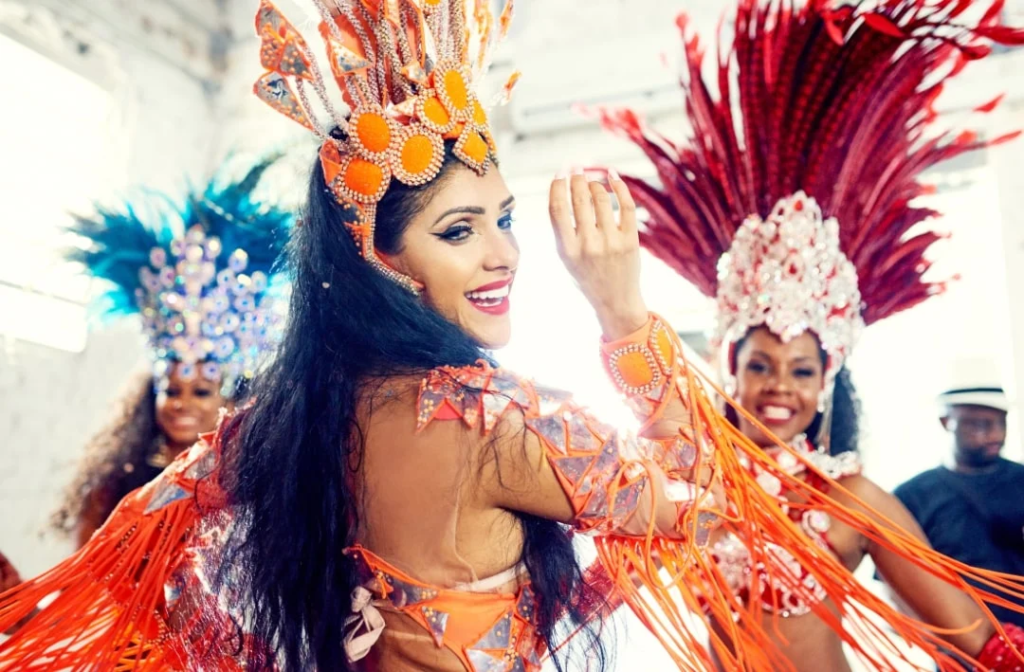
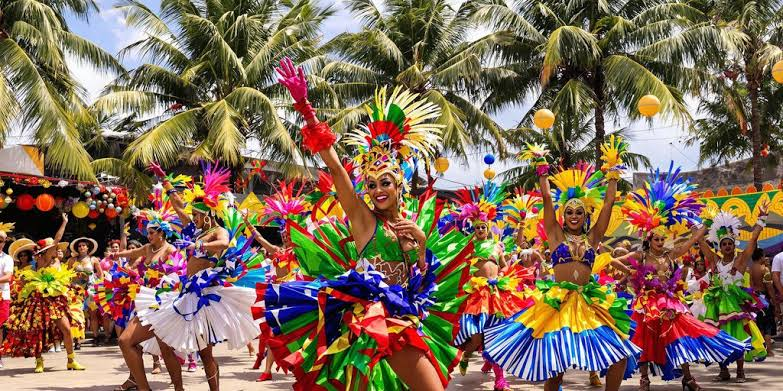
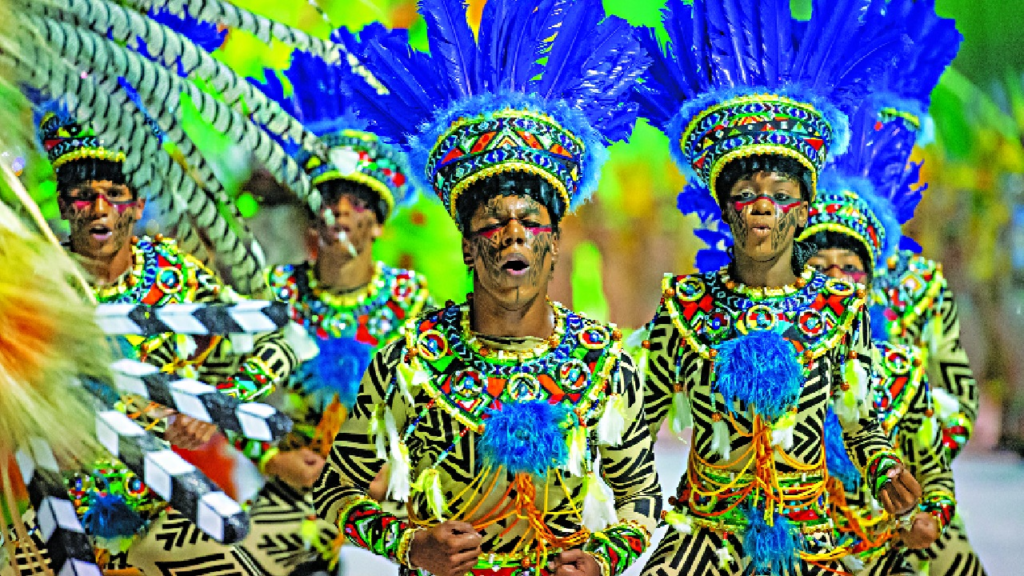
Brazil is celebrated for its dynamic artistic traditions, diverse ethnic heritage, and exuberant community festivals. Carnival stands as one of the world’s most famous public celebrations, featuring elaborate costumes, samba parades, and street performances that transform entire cities.
Beyond public celebrations, Brazilian culture varies widely by region, each possessing its own musical styles, folklore, and culinary specialties. Passion for sports, particularly football, acts as a unifying social force that brings people together across all walks of life.
The Universal Language of Food, Attire, and Arts
Culinary Heritage as History
Food communicates cultural history more vividly than most textbooks. Traditional recipes reflect what the local landscape provided before global supply chains existed. Coastal communities built their identity around fresh seafood and preservation techniques, while mountainous regions developed hearty grain- and dairy-based diets.
Exploring authentic local food is therefore an educational act. Simple experiences—like eating at a family-run diner, shopping at a neighborhood farmers’ market, or learning how bread is baked in a traditional oven—offer direct insights into the daily rhythm of a community.
Traditional Clothing and Identity
Garments carry symbolic meaning, communicating regional origins, religious duties, social status, or seasonal milestones. Sarees, kimonos, kilts, kaftans, and intricately embroidered tunics reflect centuries of textile craftsmanship and local aesthetic values.
While modern Western clothing has become widespread for daily work, traditional garments remain central during weddings, religious holidays, and regional festivals. Many contemporary designers now integrate traditional weaving and embroidery techniques into modern fashion, keeping ancestral crafts alive.
Music, Movement, and Oral Storytelling
Music, dance, and oral storytelling exist in every human culture. Long before written records were common, communities relied on spoken stories, songs, and ritual dances to preserve history, teach moral values, and mark key life events.
Traditional dances often encode historical events or agrarian cycles into physical movements. Instruments crafted from local natural materials give each region its unique musical signature. Continuing these artistic forms allows younger generations to maintain a physical link to their ancestors.
Cultivating Cultural Respect and Engagement

Experiencing world cultures meaningfully requires an attitude of humility, curiosity, and respect:
- Learn basic etiquette: Before traveling, research local customs regarding appropriate dress, dining norms, photography guidelines, and religious site protocols.
- Observe and listen: Approach unfamiliar practices without judging them against your own cultural norms.
- Value the human element: Seek opportunities to support local craftspeople, small family restaurants, and community-led cultural initiatives.
Direct international travel is not a strict requirement for cultural education. You can explore global traditions by cooking authentic recipes from different nations, reading literature translated from other languages, attending local multicultural festivals, visiting museums, or learning a new language.
Ultimately, studying world cultures expands our perspective. It reveals that while our customs, languages, and celebrations may look completely different on the surface, the core human desires for belonging, expression, family, and connection remain exactly the same everywhere.
FAQs
1. What is world culture?
World culture includes the traditions, customs, food, festivals, art, music, languages, and lifestyles of different communities.
2. Why is it important to learn about other cultures?
Learning about different cultures builds understanding, respect, and appreciation for people around the world.
3. What are some popular cultural festivals?
Diwali, Carnival, Lunar New Year, Día de los Muertos, and Oktoberfest are examples of well-known cultural celebrations.
4. How can I experience another culture?
You can try traditional food, visit cultural sites, learn local customs, attend festivals, or explore museums and cultural events.
5. How can I respect a different culture?
Learn about local customs, follow cultural guidelines, ask permission before taking photos, and avoid making assumptions about traditions.