

Technology has a quiet way of settling into our daily lives before we even realize it. A decade ago, controlling house lights from a phone, asking a digital assistant for the weather, or tracking sleep cycles with a wristband felt futuristic. Today, these features are simply part of a normal morning routine.
Smart technology is not about owning the newest gadget for status or novelty. At its best, technology solves real, recurring friction points. It saves time, makes essential information accessible, cuts down energy waste, and helps manage work, health, and home life with greater ease. As rapid innovation continues, the central question becomes less about what gadget is coming next and more about how these tools can support daily life without making it overly complex.
What Makes an Innovation Useful?
A new feature can be visually impressive or technically complex, but technical sophistication alone does not make a tool useful. Meaningful innovation almost always begins with a clear, basic need.
 [ Identify Daily Problem ] ──► [ Design Targeted Tool ] ──► [ Integrate Seamlessly ]
   Eliminate Minor Friction       Keep Operation Simple        Focus on Long-Term Utility
Consider simple automated home lighting. The core mechanics are straightforward, yet the practical impact is immediate: lights turn on, off, or dim based on real schedules and movement, reducing daily effort and energy consumption.
Software operates on the same principle. A basic macro that sorts incoming files can save hours of repetitive administration each month. Navigation apps recalculate routes to steer drivers clear of traffic jams, while translation tools bridge immediate language barriers. The most lasting innovations focus on solving small, frequent headaches. Over time, those minor improvements add up to a noticeable upgrade in daily comfort.
Practical AI in Everyday Software

Artificial intelligence has shifted out of research labs and directly into everyday applications. Rather than acting as a standalone product, AI is becoming an embedded layer within software people already rely on.
AI tools assist in drafting documents, summarizing long reports, spotting trends in spreadsheets, organizing research, and automating routine administrative tasks. Businesses use similar models to streamline customer support and predictive planning.
Everyday AI Integration
 ├── Automated Editing and Content Summarization
 ├── Smart Search and Information Organization
 ├── Dynamic Data Visualization and Analysis
 └── Predictive Scheduling and Workflow Automation
For most people, the main advantage of AI is time efficiency. Instead of staring at a blank page, users can generate a quick initial draft or outline a project framework in seconds. However, AI is an assistant, not an absolute authority. Human oversight remains necessary, particularly when handling financial, legal, or health-related information where accuracy is critical.
Smart Homes Built for Utility
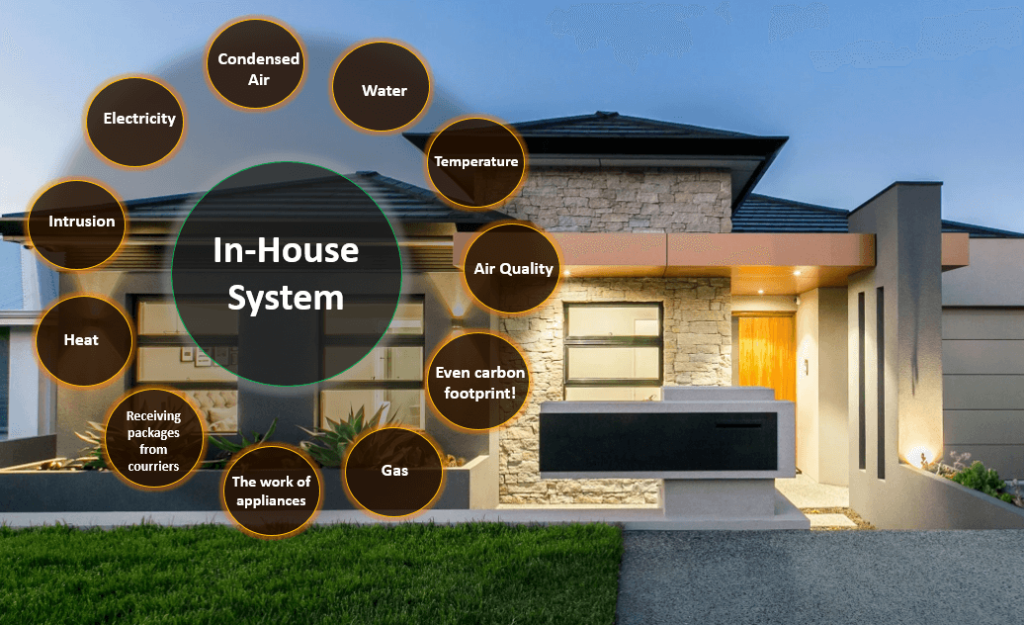
Smart home technology is shifting away from gimmickry toward practical home management. Thermostats, lighting fixtures, security cameras, door locks, and key appliances can now connect through unified home networks.
| Smart Home Area | Everyday Feature | Practical Home Benefit |
|---|---|---|
| Climate Control | Adaptive Thermostats | Cuts heating and cooling costs when rooms are empty |
| Home Security | Video Doorbells & Sensors | Offers real-time visibility and remote entry checks |
| Lighting | Scheduled / Motion Smart Bulbs | Enhances energy efficiency and nighttime visibility |
Instead of turning the car around to verify if a light was left on, you can check and turn it off from a phone screen. Similarly, adaptive thermostats learn household patterns, turning down power during empty afternoon hours and pre-adjusting the temperature before everyone arrives home. A useful smart home does not require dozens of connected devices; a few well-chosen, reliable tools offer far more value than a house full of gadgets that require constant troubleshooting.
Wearables and Personal Health Tracking
Wearable technology like smartwatches and activity trackers have become routine accessories. They provide continuous feedback on daily movement, exercise intensity, resting heart rate, and sleep quality.
         [ Track Activity & Metrics ]
                     │
                     ▼
        [ Identify Daily Patterns ]
                     │
                     ▼
  [ Encourage Small Lifestyle Adjustments ]
                     │
                     ▼
 [ Build Long-Term, Sustainable Habits ]
For anyone trying to move more, seeing step counts and movement trends serves as a subtle reminder to stand up and walk around during long desk sessions. Over months, long-term data helps highlight subtle shifts in resting heart rate or sleep duration.
The key is maintaining perspective on the data. Minor daily metric variations rarely require active worry, and health stats should never turn into a source of anxiety. Wearables are most effective when they encourage healthy long-term habits, not when they turn normal routines into a constant obsession with numbers.
Cleaner Transit and Electric Mobility
Transportation is going through a significant transition. Electric cars, public buses, e-bikes, and shared scooters are reshaping how communities move.
Electric vehicles offer a cleaner alternative to traditional combustion engines, supported by steady improvements in battery capacity and expanding charging networks. Electric bicycles are an especially practical option. By offering pedal assistance, e-bikes make cycling manageable over longer distances, steep hills, or heavy cargo runs, turning two-wheeled travel into a genuine alternative to short automobile trips.
The future of transit lies in a hybrid approach: public transportation, walking, pedal cycling, personal EVs, and shared micro-mobility options working alongside one another to reduce traffic congestion and emissions.
Renewable Energy and Energy Independence
Energy technology is changing how power is generated, stored, and managed at home. Solar panels, home battery storage systems, smart meters, and energy tracking software allow property owners to take direct control of their utility consumption.
Homeowners can generate power during daylight hours, store excess energy in battery units, and draw from that reserve during peak rate hours or power outages. Smart energy monitors highlight which appliances draw heavy power loads, making it easy to identify waste. Combined with energy-efficient appliances, these tools help reduce monthly utility bills while lowering environmental impact.
Technology in Healthcare and Education

Digital tools continue to expand how people access healthcare and educational resources.
- Healthcare: Telehealth services make routine doctor check-ins convenient when an in-person clinic visit is unnecessary. Electronic health records give medical specialists immediate access to complete health histories, while remote monitoring devices help track chronic conditions safely from home.
- Education: Online platforms offer instant access to digital libraries, video lectures, and interactive study tools from anywhere with internet access. AI-backed learning tools help break down complex subjects and generate targeted practice material for self-paced study.
In both fields, technology serves best as a supporting tool. Digital tools cannot replace skilled medical care, nor can they replace the focused effort, critical thinking, and independent reasoning necessary for true learning.
Protecting Digital Privacy and Making Smart Choices
As everyday items become connected, managing digital privacy becomes essential. Mobile apps and connected hardware regularly request permissions for location data, contacts, photos, and built-in microphones. Before tapping “allow,” it is worth taking a moment to evaluate whether an application genuinely needs that access to function properly.
       [ Review Requested Permissions ]
                     │
                     ▼
  [ Use Password Managers & 2FA Security ]
                     │
                     ▼
    [ Keep Device Firmware Up to Date ]
                     │
                     ▼
 [ Exercise Caution with Unknown Links ]
When considering new tech purchases, asking a few straightforward questions helps separate genuinely useful products from temporary novelty:
- Utility: Does this solve an actual problem in my routine?
- Simplicity: Is it easy to use without frequent troubleshooting?
- Value: Does the practical benefit justify the purchase price and upkeep?
- Privacy: Am I comfortable with the data collection required to run it?
Preserving the Human Element
Technology speeds up administrative tasks and eliminates daily hassle, but not every part of life needs to be optimized or automated. There is real value in cooking a meal without smart appliances, going for a stroll without checking health metrics, writing thoughts down on paper, or having an uninterrupted conversation without a phone nearby.
The core purpose of innovation is to give people greater clarity, time, and convenience—not to make every moment dependent on a screen. Good technology works quietly in the background, serving human needs without getting in the way.
FAQs
1. What are smart technology innovations?
They are new technologies designed to make everyday tasks easier, faster, and more efficient.
2. Which tools can help explore new technology?
AI platforms, productivity tools, learning resources, and technology research platforms can help you discover new innovations.
3. How does AI support everyday technology?
AI can help with writing, research, automation, data analysis, planning, and many other routine tasks.
4. How can I choose useful technology tools?
Look for tools that solve a real problem, are easy to use, offer useful features, and provide good value.
5. Why should I learn about emerging technology?
Understanding new technology can help you make smarter choices and discover tools that may improve your work and everyday life.